Healthy Garden
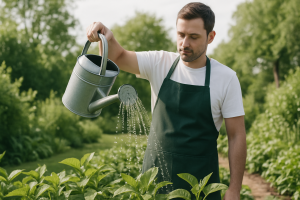
Busting Watering Myths: How Much Water Do Your Plants Actually Need?
Discover the truth behind common gardening watering myths and learn science-backed tips to water your plants effectively, promoting health and sustainability.

Healthy soil is the foundation of any successful garden, whether you’re cultivating vibrant vegetables, fragrant herbs, or high-quality cannabis. Without nutrient-rich, well-structured soil, plants struggle to thrive, leading to poor yields and increased susceptibility to pests and diseases. For sustainable growth, building and maintaining healthy soil is not just beneficial—it’s essential. This guide explores practical, science-backed methods to enhance your soil’s vitality and sustain it over time, helping gardening enthusiasts and cannabis cultivators alike achieve robust, sustainable crops.
Soil is a complex, living ecosystem composed of mineral particles, organic matter, water, air, and countless microorganisms. Its quality directly influences plant health and productivity. Understanding soil composition helps gardeners tailor their soil management practices effectively.
Balancing these elements creates an optimal environment for roots and microbes, ultimately supporting vigorous plant growth.
Soil pH influences nutrient solubility and microbial activity. Most plants, including cannabis, thrive in slightly acidic to neutral soil (pH 6.0-7.0). If your soil is too acidic or alkaline, nutrient uptake can be impaired, even if nutrients are present.
Regular soil testing is vital to monitor pH and nutrient levels. Amend soil as necessary with lime to raise pH or sulfur to lower it, ensuring plants receive balanced nutrition.
Organic matter improves soil structure, enhances moisture retention, and feeds beneficial microbes. Consider these amendments:
Excessive tilling disrupts soil structure and harms beneficial organisms. Instead, adopt minimal or no-till methods to preserve soil integrity. Use tools like broadforks to aerate without turning over soil layers excessively.
Mulching with organic materials (straw, wood chips, leaves) conserves moisture, suppresses weeds, and gradually adds nutrients as it decomposes. For cannabis growers, mulch also helps maintain stable root zone temperatures.
Overwatering leads to oxygen-depleted soil, while underwatering stresses plants and microbes. Aim for consistent, moderate moisture levels. Drip irrigation systems are ideal for precise water delivery, reducing runoff and soil compaction.
Healthy soil teems with bacteria, fungi, and other microbes that break down organic matter and cycle nutrients. Encourage these organisms by:
Crop rotation prevents nutrient depletion and reduces pest buildup. Diverse planting supports a wider range of soil organisms and improves resilience. For cannabis cultivators, rotating with nitrogen-fixing plants or deep-rooted species can restore soil balance.
Test soil annually to monitor pH, nutrient content, and organic matter levels. Amend accordingly with natural inputs like rock powders, kelp meal, or bone meal as needed. Avoid over-fertilizing, which can lead to nutrient imbalances and environmental harm.
Applying compost once or twice a year, typically in the spring and/or fall, is sufficient for maintaining healthy soil. This replenishes organic matter and nutrients without overwhelming the soil ecosystem.
While synthetic fertilizers provide quick nutrient boosts, they can disrupt soil microbial communities and lead to long-term degradation. Sustainable soil health benefits from organic amendments that feed the entire ecosystem rather than just supplying isolated nutrients.
You can send soil samples to a reputable lab for detailed chemical and biological analysis. Home test kits provide basic pH and nutrient information but are less comprehensive. Regular testing helps tailor amendments precisely.
Yes, biochar enhances soil aeration, water retention, and microbial habitat, improving overall soil resilience. However, it should be used as part of a holistic soil management plan, not as a standalone amendment.
Rotating cannabis with nitrogen-fixing or deep-rooted plants helps restore soil nutrients and break pest and disease cycles, leading to healthier plants and sustained yields over time.
Building and maintaining healthy soil is a rewarding journey that pays dividends in plant vitality, yield, and environmental sustainability. Begin by testing your soil and incorporating organic amendments tailored to your garden’s needs. Embrace minimal disturbance, protect the soil with mulch, and support beneficial microbes through natural practices.
For cannabis cultivators and gardening enthusiasts alike, investing in soil health is investing in your garden’s future. Start today to create a thriving, sustainable growing environment that supports your plants and nurtures the earth.
Discover the truth behind common gardening watering myths and learn science-backed tips to water your plants effectively, promoting health and sustainability.

Explore the essential differences between synthetic and organic fertilizers, their impact on soil health and plant growth, and how to choose the best option for sustainable gardening.
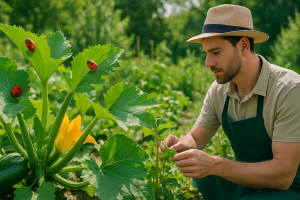
Explore the truth behind natural pest control methods, distinguishing effective organic strategies from ineffective or overhyped ones, to promote sustainable, science-backed gardening practices.

Discover and debunk common soil health myths that hinder your garden’s growth. Learn how proper soil composition, nutrient cycles, and biology support thriving plants.

Trichomes are tiny structures that give cannabis its potency, scent, and natural defense—here’s how they work.

Long before solar panels, sunlight powered the first life forms. Here’s how it continues to shape our bodies, ecosystems, and the planet.
