Watering your plants might seem straightforward, but the truth is, many gardeners unknowingly follow myths that can harm their plants or waste precious resources. At Fuck Larf, where authentic and sustainable gardening practices take center stage, understanding how much water your plants actually need is essential. This article cuts through common misconceptions and offers practical, science-backed advice to help you water effectively, promote healthy soil, and grow resilient plants without unnecessary waste.
Common Watering Myths That Can Hurt Your Garden
Before diving into best practices, it’s important to recognize some pervasive watering myths that persist in gardening communities:
- Myth 1: All plants need daily watering. Many gardeners believe frequent watering is always best, but this can lead to root rot and weakened plants.
- Myth 2: More water means healthier plants. Overwatering is as harmful as underwatering, often suffocating roots and promoting fungal diseases.
- Myth 3: Watering in the middle of the day is most effective. This can cause rapid evaporation and stress plants due to temperature shock.
- Myth 4: You can tell if a plant needs water by wilting alone. Wilting can be a late symptom; by then, the plant is already stressed.
- Myth 5: Using a sprinkler is the best way to water all plants. Overhead watering can encourage leaf diseases and waste water through runoff.
Understanding Your Plants’ Actual Water Needs
Plants’ water requirements vary greatly depending on species, growth stage, soil type, and environmental conditions. Here’s what to consider for precise watering:
1. Know Your Plant’s Natural Habitat
Plants adapted to arid environments—like succulents or native Mediterranean species—have evolved to tolerate dry conditions and require far less water. Conversely, tropical plants generally need consistently moist soil. Understanding your plant’s origin guides watering frequency and volume.
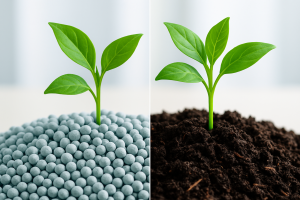
2. Consider Soil Type and Structure
Soil texture affects water retention:
- Sandy soils drain quickly and need more frequent watering.
- Clay soils retain water longer but risk waterlogging.
- Loamy soils strike a balance and are ideal for most plants.
Improving soil with organic matter enhances its ability to hold moisture, reducing watering frequency and supporting plant health.
3. Factor in Climate and Season
Hot, dry, and windy conditions increase evaporation and plant water use, while cooler, humid weather reduces it. Seasonal variations mean watering needs fluctuate throughout the year.
4. Monitor Plant Growth Stage
Seedlings and young plants generally need consistent moisture to establish roots, while mature plants often handle longer dry spells. Flowering and fruiting stages sometimes require extra water to support development.
Effective Watering Techniques to Promote Plant Health and Sustainability
Water Deeply, But Less Often
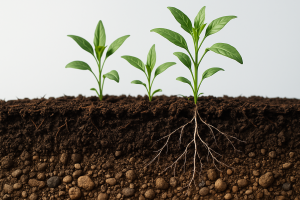
Deep watering encourages roots to grow downwards, seeking moisture, which makes plants more drought-resistant and stable. Shallow, frequent watering promotes weak, surface roots and increases vulnerability to stress.
Choose the Right Time to Water
The best time to water is early morning or late evening when temperatures are cooler, and evaporation is minimal. This ensures water penetrates the soil effectively and reduces stress on plants.
Use Targeted Watering Methods
- Drip irrigation or soaker hoses: Deliver water directly to the root zone, minimizing evaporation and leaf wetness.
- Hand watering: Allows precise control, especially useful for container plants or delicate seedlings.
- Avoid overhead sprinklers: Unless necessary, as wet foliage can promote fungal diseases and waste water.
Check Soil Moisture Before Watering
Rather than relying on a fixed schedule, check soil moisture by inserting your finger 1-2 inches below the surface. If it feels dry, it’s time to water; if still moist, wait. For larger beds, consider using a moisture meter for accuracy.
How to Avoid Water Waste Without Compromising Plant Health
Sustainable watering is a cornerstone of eco-friendly gardening. Here are strategies to conserve water:
- Mulch your beds: Organic mulches reduce evaporation, keep soil temperature stable, and improve soil structure.
- Collect rainwater: Use rain barrels or other catchment systems to supplement irrigation.
- Group plants by water needs: Design your garden so plants with similar moisture requirements are together, allowing for efficient watering zones.
- Improve soil organic matter: Healthy soil retains water better, reducing irrigation frequency.
- Regularly inspect irrigation systems: Fix leaks and adjust emitters to prevent overwatering.
Key Takeaways
- Water needs vary widely based on plant species, soil type, climate, and growth stage—avoid one-size-fits-all rules.
- Deep, infrequent watering encourages strong root systems and plant resilience.
- Morning or evening watering conserves water and reduces plant stress.
- Use efficient watering methods like drip irrigation and mulch to minimize waste.
- Always check soil moisture before watering to prevent overwatering.
Frequently Asked Questions
How do I know if I’m overwatering my plants?
Signs of overwatering include yellowing leaves, mushy stems, moldy soil surface, and root rot. If the soil remains soggy for days after watering, cut back on irrigation.
Can I water plants with leftover cooking water or tea?
It depends on what’s in the water. Plain, cooled water from boiled vegetables can be beneficial, but avoid water with salt, oils, or strong flavors. Unsweetened herbal teas are generally safe in small amounts.
Is rainwater better than tap water for plants?
Rainwater is usually softer and free of chlorine and minerals found in tap water, making it preferable for most plants, especially sensitive species and organic gardens.
How often should I water indoor plants?
Indoor plants typically require less frequent watering than outdoor ones. Check soil moisture regularly; most indoor plants prefer drying out partially between waterings.
Does watering frequency change for cannabis cultivation?
Yes, cannabis plants have distinct water needs across growth stages. Seedlings require light, frequent watering, while mature plants benefit from deep watering with periods of drying to encourage robust root development.
Take the Next Step Towards Smarter Watering
Watering your garden effectively isn’t just about keeping plants alive—it’s about nurturing a thriving, sustainable ecosystem rooted in healthy soil and mindful practices. By debunking myths and embracing thoughtful watering habits, you’ll reduce waste, boost plant health, and contribute to a greener planet.
Ready to transform your garden with authentic, sustainable techniques? Explore more in-depth guides on soil health, natural pest control, and eco-friendly cultivation right here at Fuck Larf. Join our community of passionate gardeners who value deep-rooted knowledge over shortcuts and superficial success.