When it comes to nurturing your garden, choosing the right fertilizer is one of the most critical decisions you’ll make. The debate between synthetic and organic fertilizers is long-standing, with passionate advocates on both sides. Understanding the differences, benefits, and drawbacks of each option is essential for anyone serious about soil health, plant productivity, and sustainable gardening. This article delves deep into the truth about synthetic versus organic fertilizers, helping you make informed choices that align with your gardening goals and values.
Understanding Fertilizers: Synthetic vs. Organic
Fertilizers supply essential nutrients that plants need to thrive, primarily nitrogen (N), phosphorus (P), and potassium (K), often referred to as NPK. The source and composition of these nutrients distinguish synthetic fertilizers from organic ones.
What Are Synthetic Fertilizers?
Synthetic fertilizers are manufactured through chemical processes designed to deliver precise amounts of nutrients. Common examples include ammonium nitrate, urea, and superphosphates. These fertilizers are typically water-soluble, allowing for rapid nutrient uptake by plants.
What Are Organic Fertilizers?
Organic fertilizers come from natural sources such as composted plant matter, animal manure, bone meal, and other biological materials. They release nutrients more slowly and improve soil structure and microbial life over time.
Impact on Soil Health
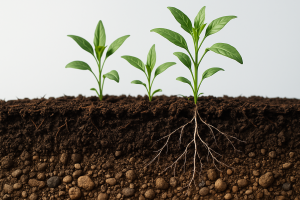
The foundation of any thriving garden is healthy soil. Fertilizers affect soil in different ways, and understanding this impact is vital for long-term sustainability.
Synthetic Fertilizers and Soil
While synthetic fertilizers provide nutrients quickly, their repeated use can lead to several soil problems:
- Soil Acidification: Many synthetic fertilizers can lower soil pH, making it more acidic and less hospitable for beneficial microbes.
- Reduced Microbial Diversity: Synthetic chemicals may harm soil microorganisms essential for nutrient cycling and soil structure.
- Salt Buildup: High concentrations of salts from synthetic fertilizers can accumulate and damage plant roots.
Organic Fertilizers and Soil
Organic fertilizers improve soil health by:
- Enhancing Soil Structure: Organic matter increases water retention, aeration, and root penetration.
- Supporting Microbial Life: They feed beneficial microbes that break down nutrients and foster a balanced ecosystem.
- Building Long-Term Fertility: Slow nutrient release reduces leaching and maintains nutrient availability.
Plant Productivity and Growth
Gardeners often prioritize immediate plant growth and yield, which makes the fertilizer choice critical.
Advantages of Synthetic Fertilizers
- Fast-Acting: Nutrients are readily available, promoting quick growth and greening.
- Precise Nutrition: Easy to apply specific nutrient ratios tailored to plant needs.
- Cost-Effective: Generally less expensive and widely available.
Advantages of Organic Fertilizers
- Balanced Nutrition: Contains a wide range of micronutrients and beneficial compounds.
- Improved Flavor and Quality: Organic feeding often results in healthier, more flavorful produce.
- Reduced Risk of Nutrient Burn: Slow release minimizes the chance of over-fertilization.
Environmental and Long-Term Sustainability Considerations
For sustainable gardening, environmental impact and long-term soil viability are paramount.
Environmental Concerns with Synthetic Fertilizers
- Leaching and Runoff: Excess nutrients can contaminate groundwater and cause algal blooms in waterways.
- Energy Intensive Production: Manufacturing synthetic fertilizers consumes significant fossil fuels and emits greenhouse gases.
- Dependency and Soil Depletion: Continuous use can degrade soil organic matter, leading to dependency on external inputs.
Environmental Benefits of Organic Fertilizers
- Carbon Sequestration: Organic matter in soil helps trap carbon, mitigating climate change.
- Waste Reduction: Utilizing compost and manure recycles agricultural and household waste.
- Promotes Biodiversity: Encourages a diverse soil ecosystem that supports plant health naturally.
Choosing the Right Fertilizer for Your Garden
The best fertilizer choice depends on your specific gardening goals, soil conditions, and commitment to sustainability. Consider the following when deciding:
- Soil Testing: Understand your soil’s nutrient profile and pH before adding any fertilizers.
- Plant Needs: Different plants have varying nutrient requirements at different growth stages.
- Organic Matter Levels: If your soil is low in organic matter, organic fertilizers or compost are essential for improvement.
- Environmental Impact: Choose fertilizers that align with your environmental values and local regulations.
- Integrated Approach: Combining organic and synthetic fertilizers can sometimes optimize both immediate growth and soil health.
Key Takeaways
- Synthetic fertilizers provide quick nutrient availability but can degrade soil health and harm the environment if overused.
- Organic fertilizers improve soil structure, support microbial life, and promote long-term sustainability, though they release nutrients more slowly.
- Testing your soil and understanding plant-specific needs is critical to effective fertilizer use.
- An integrated fertilizer strategy can balance immediate productivity with long-term garden health.
- Prioritizing organic inputs aligns well with sustainable gardening principles and environmental stewardship.
Frequently Asked Questions
Can I use synthetic and organic fertilizers together?
Yes, many gardeners use a combination to benefit from the quick nutrient boost of synthetics and the soil-building advantages of organics. However, it’s essential to avoid over-fertilizing and to monitor soil health regularly.
Are organic fertilizers always better for cannabis cultivation?
Organic fertilizers are often preferred in cannabis cultivation for their ability to enhance terpene and cannabinoid profiles by promoting healthy microbial activity. However, some growers may use synthetic fertilizers strategically during certain growth phases for rapid nutrient availability.
How often should I fertilize my garden?
Fertilization frequency depends on your soil fertility, plant type, and fertilizer type. Organic fertilizers typically require less frequent application due to slow nutrient release, while synthetic fertilizers may need more regular feeding.
Do organic fertilizers attract pests?
Organic fertilizers can attract some pests if they contain animal-based materials, but good composting practices and proper application generally minimize this risk.
Is soil testing necessary before fertilizing?
Absolutely. Soil testing provides critical information about nutrient levels and pH, helping you choose the right fertilizer and avoid unnecessary or harmful applications.
Ready to Cultivate a Healthier Garden?
Whether you’re growing a lush vegetable patch, vibrant flowers, or premium cannabis, the choice between synthetic and organic fertilizers profoundly impacts your garden’s future. Embrace practices that nurture the soil, support biodiversity, and promote sustainable growth. Start by testing your soil, experimenting with organic amendments, and observing how your plants respond. Your garden—and the planet—will thank you for it.
Join the Fuck Larf community today for more science-backed gardening insights and authentic growth strategies. Dive into our in-depth guides, expert tips, and sustainable techniques designed to help you cultivate strong roots and thriving plants.